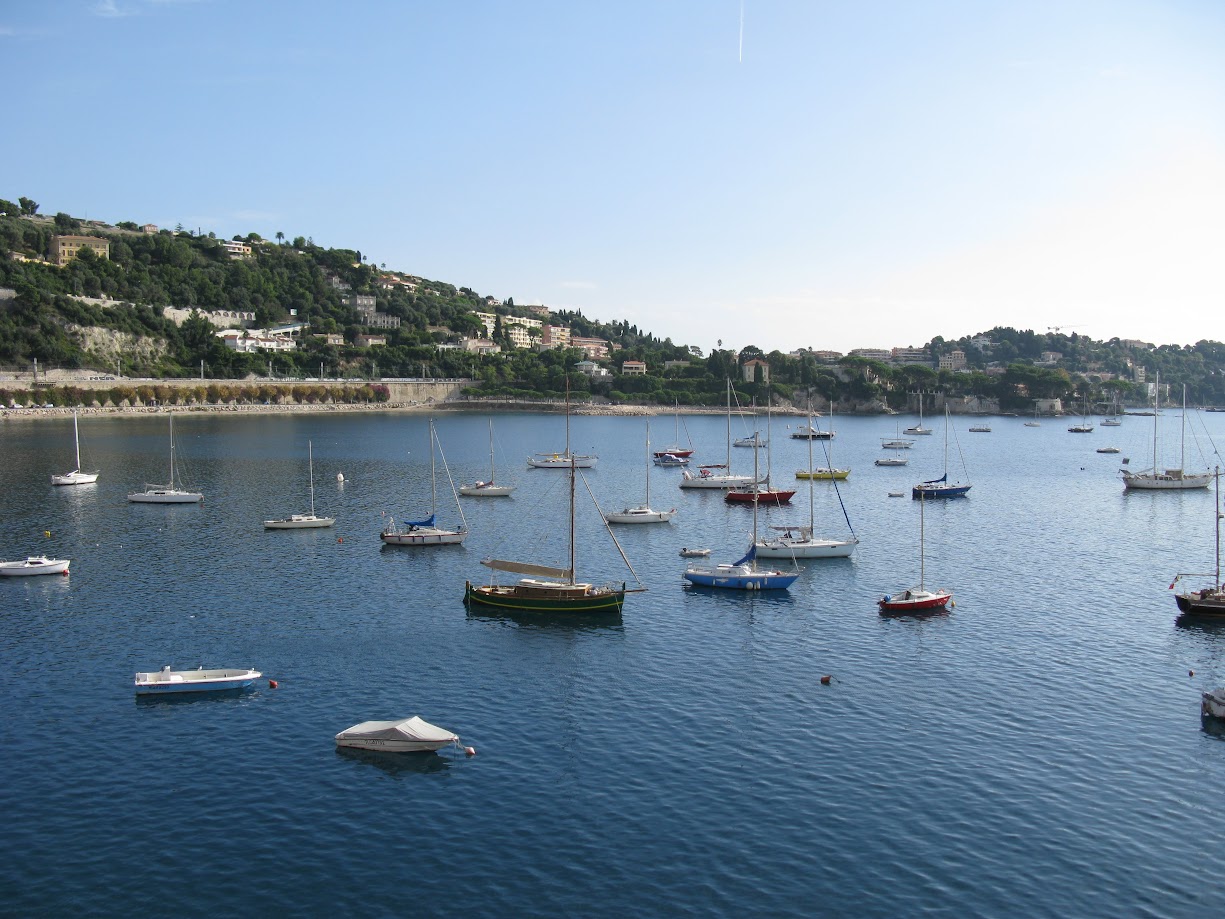

In the first of a number of Where in the World
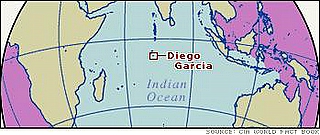
profiles, we look at Diego Garcia, a tiny island in The Indian Ocean,
with coral beaches, turquoise waters and a vast lagoon in the centre.
It is 1,600 kilometres from land in any direction, which seems to be
the main attraction for the people who are allowed to go there. If you
were ever thinking of visiting Diego Garcia, unless you are in the US
or UK military, it might be wise to think again. But where is it, and
why is it so controversial?
 The
The
Portuguese
put Diego Garcia on the map in the 1500s. The island’s name is believed
to have come from either the ship’s captain or the navigator. Diego
Garcia was covered in plantations (copra, coconut, etc) in the 1800s.
Between 1814 and 1965 it was a dependency of Mauritius.
It then became part of the Chagos Archipelago, which belonged to the
newly created British
Indian Ocean Territory. The island remains a British
dependency today but is leased to the US by the British. In 1970.
Once Diego Garcia had a small native population, known
as the Ilois, or the Chagossians, many of whom were agricultural
workers or fishermen. They were, however, forced to relocate
(1967–1973) so that the island could be turned into a
military base, much to strong protestations of other Indian Ocean
islands, who objected to the island being used as a base for cruise
missiles. Most of the Ilois now live in reduced circumstances in
Mauritius’s shanty towns, more than 1,000 miles from their home. A
smaller number were deported to the Seychelles. In 2000, a British
court ruled that the order to evacuate Diego Garcia’s inhabitants was
invalid, but the court also upheld the island’s military status, which
permits only personnel authorized by the military to inhabit the
island. The Ilois sued the British government for compensation and the
right to repatriation, but in Oct. 2003 a British judge ruled that
although the Ilois had been treated “shamefully” by
the government, their claims were unfounded. Not much help, really. In
2004 the British government issued an “Order of
Council” prohibiting islanders from ever returning to Diego
Garcia.
A somewhat biased 2004 documentary by Australian
journalist John Pilger called Stealing a Nation publicised the plight
of the islanders. According to Mr Pilger,
the islanders were tricked and intimidated into leaving until
“the remaining population was loaded on to ships, allowed to
take only one suitcase. They left behind their homes and furniture, and
their lives. On one journey in rough seas, the copra company’s horses
occupied the deck, while women and children were forced to sleep on a
cargo of bird fertilizer. Arriving in the Seychelles, they were marched
up the hill to a prison where they were held until they were
transported to Mauritius. There, they were dumped on the
docks.” Some of the Ilois are making return plans to turn
Diego Garcia into a sugarcane and fishing enterprise as soon as the
defense agreement expires (some see this as early as 2016). A few dozen
other Ilois are still fighting to be housed in the UK.
Now, Diego Garcia is home to a military
base jointly operated by the United
States and the United
Kingdom, although in practice it is said to be largely run as
a US base, with only a small number of British forces and military
police. No other economic activity is now allowed. The base serves as a
naval refueling and support station. It is also equipped with airfields
that have been used on missions to Iraq
during the 1990
Gulf War, and to Afghanistan
in the
2001 U.S. Attack on Afghanistan.
But still
there is controversy. Human rights groups claim that the military base
is used by the US government for the interrogation
of prisoners (allegedly with methods illegal in the US). The
British Foreign Secretary Jack
Straw has said in the British parliament
that the US authorities have repeatedly assured him that no detainees
have passed in transit through Diego Garcia or have disembarked there.
Intelligence analysts say Diego Garcia’s geographic isolation is now
being exploited for other, more sinister purposes. They claim it is one
of several secret detention centres being operated by the Central
Intelligence Agency to interrogate high-value terrorist suspects known
as “ghost detainees” or the “new
disappeared,” beyond the reach of American or international
law.