As part of Trade Aid’s work in Tanzania, we aim to
promote a sustainable tourism industry in Mikindani area. The
following is the impressions of a trip to investigate the
tourism and tourism opportunities in Palma, Northern
Mozambique.
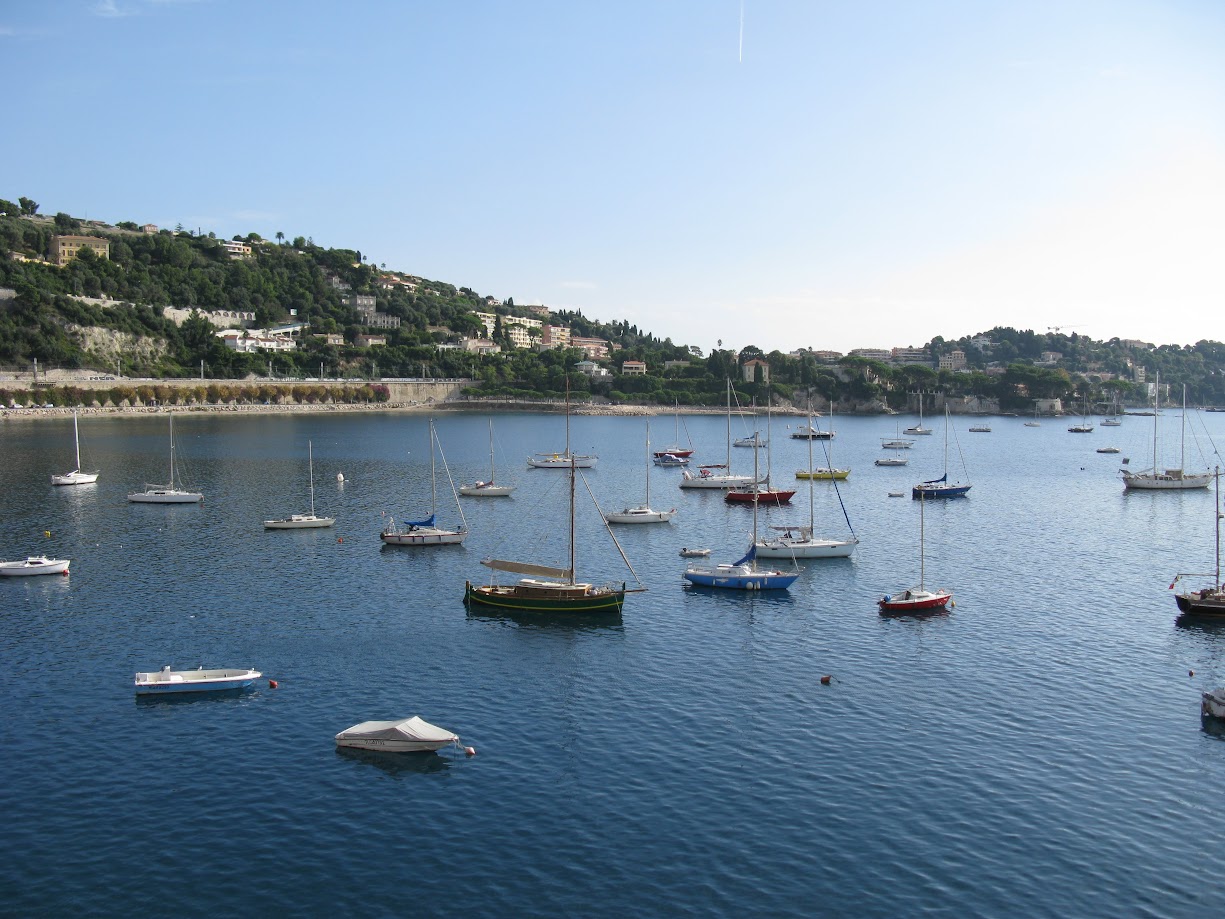
Palma is a small, fishing town set inside a large bay along
the northern coast of Mozambique. It is home to some 10,000
people, most of whom are supported by industries linked to
the sea. Like Mikindani, the place is quiet and peaceful and
its people and culture are dominated by the influence of the
Indian Ocean that surrounds it. In this way, what we expected
was something more akin to Mikindani but the reality was
quite different.
We arrived in Palma via two pick-up trucks and a boat across
the Ruvuma to be greeted by the dusty, sandy sight all so
familiar to us after our five months near Mtwara. However,
what struck us was the complete absence of the historic
buildings and NGO vehicles that dominate the landscape of
Mikindani and Mtwara. The vehicle on which we arrived was
virtually the only thing to pass through Palma during our
stay while the old colonial buildings that dominate the
visage of Mikindani were nowhere to be seen. Perhaps this was
why Palma almost had a more earthy sense of untampered-with
Swahili Coast. The charm of Mikindani lies in the huge
mixture of different colonial, native and trade influences
that have shaped its past and continues to shape its future.
With Palma, it’s great appeal lies in the idea that it
never was a settlement of great importance and so you feel,
when walking around that this is the natural development of
this part of the world.
There was no electricity or running water in the guest house,
no Boma to retire to for a cold beer and certainly no hint of
mobile phone signal and internet access but Palma itself was
all the better for this. These things, along with the
presence of brand names such as coca-cola and Pepsi are right
for the formerly upwardly mobile Mikindani, a place now
beginning to see a revival thanks to enterprises such as the
Boma, the brand new ECO2 dive school and the newly revamped
Ten Degrees South lodge. However, in a place such as Palma,
where people are living on less than a dollar a day and where
there has never been a glorious past to compare to that of
Mikindani, these things would simply be out of place. We saw
no other tourists during our time in Palma, which only served
to enhance the feeling of being part of a totally different
society. When following a regular tourist route, however
sensitive a tour company or hotel may be, you never get to
feel as cut off as this.
 As part of our
time there we went to see a local group of women rehearsing
traditional Mozambique song (see picture, left). We were
merely walking by when we were invited to sit in on the group
during practice. Listening to the women and drums as the sun
set and the tide came in really will be a lasting memory of
my time spent in East Africa. Later that day we caught a dhow
(traditional African/Arabic sail boat) from Palma all the way
back to Mikindani. This again will stay with me for the rest
of my life as one of the most authentic experiences of the
lives people lead in this part of the world. These sorts of
experiences, however overused the cliché may be,
really are priceless. Money cannot buy memories and certainly
looking at the people of Palma or Mikindani, plays no part in
happiness or generosity. This sort of journey, away from the
beaten track and reach of the guidebooks is highly
recommended and, although not to everyone’s taste, will
provide lasting memories to anyone willing to embark on
them.