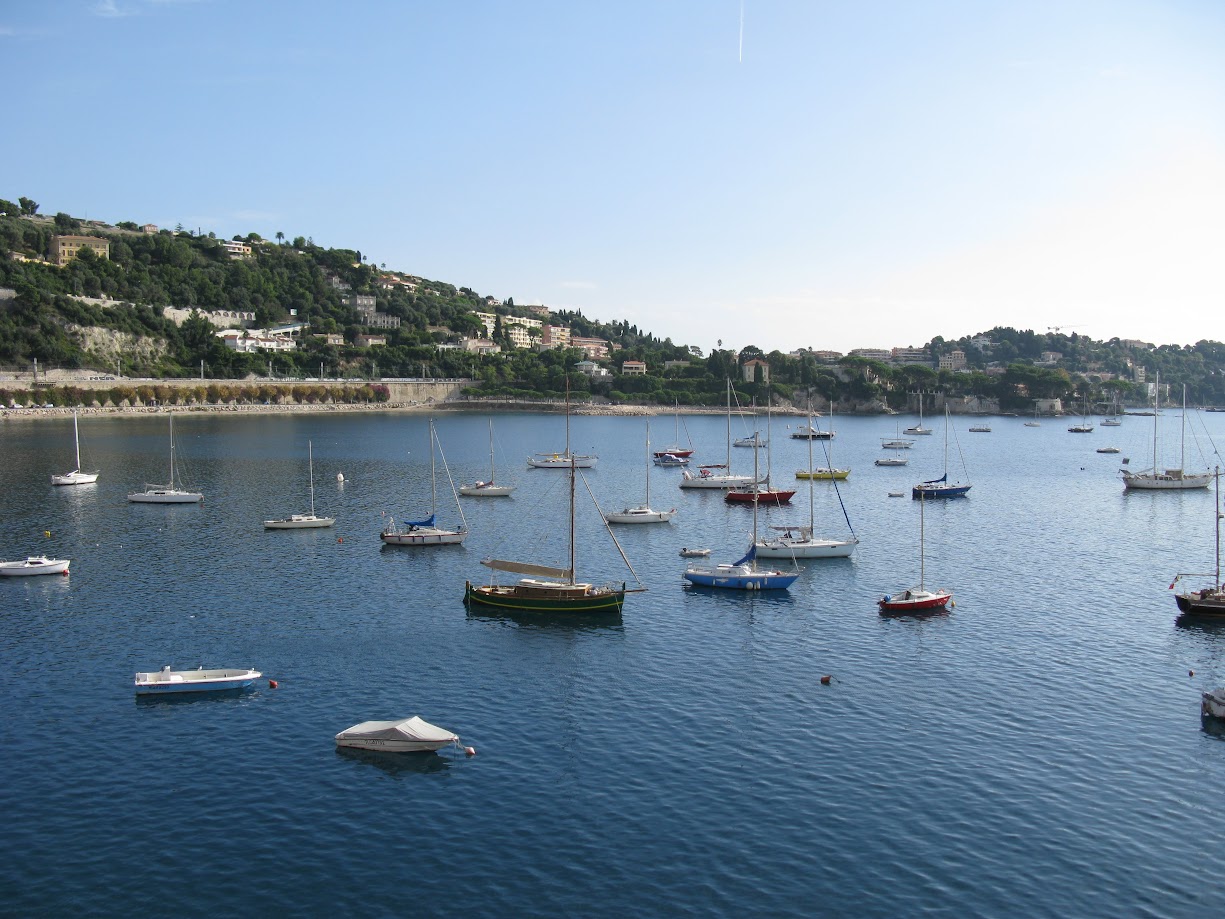

Sitting silently during the drive over from Rosleague Manor to Killary
Harbour, I reflected on whether this was one of those trips where I would
fail to write about what I could see. Despite being surrounded by striking
views, I was troubled on how find a theme with which I could connect an
article.
However as soon as I had dismissed any writing expectations I might have
had, our progression along the fantastically situated N59 immediately
provided the missing inspiration! As this west coast route ran along
side Kylemore Lough, it struck me that autumn Connemara is full of rich,
varied colours, which are vividly magnified by the ever-changing climates
of each weathered hill we passed. These colours instantly brightened
as the afternoon sun chased away the day’s heavy rain clouds leaving
a valley of wet, verdant grass to open up before our eyes. Further out
across the landscape of boggy fields and coniferous plantations, neatly
stacked and apparently drying (!) peat bricks helped contrast this lush
greenness. At this section of the N59, the road rises away from Kylemore
and up alongside the mitre shaped and wonderfully named Church of our
Lady of the Wayside! Across the horizon the dark, sodden clouds clung
to the high peaks of the distant Maumturk Mountain, lingering for simple
chance to return centre stage.
If I were ever to seek voluntary exile, Killary Harbour would be high
on my choice of havens! As the N59 drove us towards our initial view
of Ireland’s only fjord (can anyone provide a geological definition?)
I found myself surprised by what lay ahead. To the north the 817 metre
high Mweelrea shouldered this long, silver water along its winding course,
whilst the road, sheep and houses competed for footholds on the lower
hillsides of the southern shore. Despite this forcing of direction, Killary
itself still had space to be laned- off like a swimming pool by the blue
buoys of the local fish farms. At the head of this natural harbour sat
the scattered village of Leenane and the Aasleagh Falls, across which
the browned and fast flowing Erriff River flowed out and into the harbour.
To stop rather than peer round the next corner of our road was difficult
but the deep red and slowly settling Guinness of Gaynors’ allowed
us a splendid retrospective on what we had just taken in ! And even though
we were almost as far west as possible on the Irish mainland, Steve and
I found the hospitality of this whole haven to be of somewhere much more
cosmopolitan…
How else could these colours be surpassed? Later from our week of touring
I could offer up the small market town of Westport with its brightly painted
market streets or the tidally excluded Omey Island but I feel that our
journey to Inis Mór deserves is a highlight worth mentioning.
At the third time of asking we were able to catch the ferry across to
the largest Aran Island and spend the best part of a glorious day surrounded
by blue seas and bright, clear skies! A smooth forty five minutes later
we found ourselves spilling out in to Kilronan, where the majority of
our fellow passengers were swept up by the waiting horse and bicycle-hiring
locals towards the most famous Celtic antiquities. Steve and I had to
be different, much to the consternation of many, and as such we walked
in the opposite direction towards Killeany. My fellow traveller even
managed to add to the collection of colours in his own style – as
without notice he stumbled across the beach and had to issue expletives
and bloodied grazes to make himself feel better! All that our small tourist
map seemed to reward such stubbornness with was a ruined castle and a
very precariously perched church!
However reality and bright sunshine proffered sights of both that deserved
better depiction. Caisleán Aircín, built in the sixteenth
century, did not survive its Cromwellian ransacking and now exists solely
as a facade monitoring Killeany Bay. Aran Islanders have since stole
a march on twenty-first century recycling ideas by converting much of
the castle’s rear into small farm buildings and dry stone walls.
Though the claim to be one of the smallest churches known to exist could
be counter claimed, Teampall Bheanain did offer a wonderful perspective
across the eastern end of the island. According to myth and legend St
Bheanain, a successor to Ireland’s patron saint at Armagh, had this
small and unorthodox church built over one thousand years ago. Unusually
to those in the know, this church stands on a north-south axis, allowing
the sweeping weather to ride along its’ frame rather than across
any roof that it might have supported! Sitting up against one of its
granite grey walls we could understand why the founder soon accepted a
higher position on the mainland, even though his church had not been completed
too long ! The nearby airfield and its surprisingly regular prop driven
flights emphasised the battering that Inis Mór faces – how
could those small aircraft handle those constant winds?
Returning from our perch, the leisurely paced walk awoke me to the fact
that all journeys have to end and that our general direction was now eastwards,
all the way back to our home lives. Still time a plenty left to enjoy
an ever growing delight of mine in west Ireland – fresh seafood
washed down with another of Arthur Guinness’s finest at The Aran
Islander!
Contact the author of this article: Matt is happy to be
contacted if you’d like some more information about planning your
travels or about any of the places he talks about in his own travel planning.
E-mail mattdoughty@tiscali.co.uk